
Human-Centric
Industry. Measurable
Outcomes.
Where digital and human meet, opportunity multiplies. Unifying data, people, and machines delivers resilient operations, safer assets, improved productivity and sustainable growth. Hitachi Digital Services’ deep domain expertise, coupled with our advanced integrated ET–IT–OT–AI capabilities, helps organizations digitalize, automate, and augment human decision-making – driving human-centered, outcome-focused transformation across products, factories, assets, and operations.

From Pilots to Proven Value
Silos, legacy systems, and stalled Industry 4.0 initiatives limit scale and ROI. An Industry 5.0 model connects engineering, information, and operations technology (ET–IT–OT) data, augmenting people with intelligence, and designing for resilience and sustainability. The impact? Faster decisions, lower risk, and operations that improve continuously.
Maximize Asset Value from Design to Decommissioning
Improve reliability, extend asset life, and optimize cost by connecting engineering and operations data, enabling predictive insights and smarter decisions across the entire asset lifecycle.

-
Unified Asset View
Integrate ET, IT, and OT data into a single, trusted view of asset performance. -
Predictive Maintenance
Apply predictive and prescriptive maintenance to reduce downtime and improve operational reliability. -
Risk-Based Strategy
Use reliability modeling (RM/FMECA) to prioritize maintenance and reduce operational risk.
-
Safer Operations
Improve safety, compliance, and workforce effectiveness across asset-intensive environments. -
Smart Metering
Use cloud-native MDMS to accelerate smart metering, resilience, and data monetization. Learn more
Close the Loop from Design to Real-World Performance
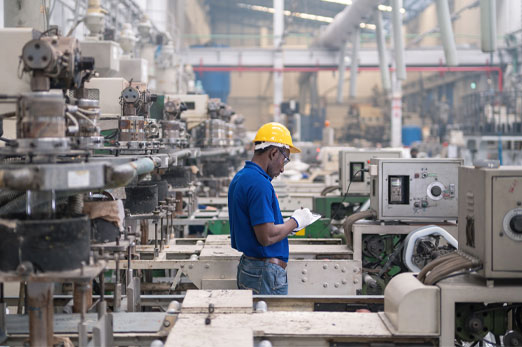
Create a connected digital thread and product digital twin linking engineering, manufacturing, and service to enable faster innovation, improved quality, and closed-loop lifecycle management.
-
Connected Systems
Connect PLM, ERP, MOM/MES, and service data in real time for seamless lifecycle visibility. -
Model-Based Engineering
Apply model-based engineering with full traceability to improve compliance and design control. -
AI-Driven Design
Use AI and ML to optimize designs, manage variants, and improve quality decisions.
-
Closed-Loop Feedback
Feed operational and service data back into engineering to drive continuous improvement. -
Ecosystem Collaboration
Enable secure collaboration with suppliers and partners across the product value chain.
Turn Factories into Intelligent, Adaptive Systems
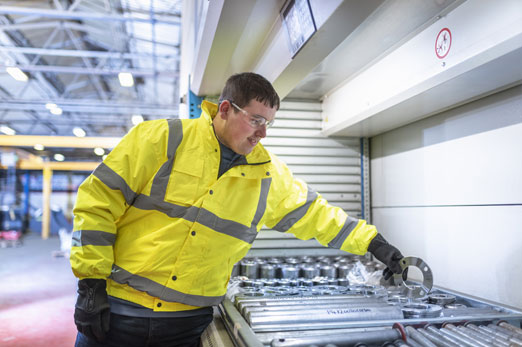
Transform factories into intelligent, flexible systems that increase throughput and quality while reducing costs through digital twins, simulation, and AI-driven continuous improvement.
-
Integrated Operations
Transform MOM/MES with seamless IT and OT integration and standardized manufacturing processes. -
Digital Twin Sync
Synchronize process and plant digital twins with IoT data, historians, and MES systems. -
Predictive Quality
Apply AI and ML for anomaly detection, predictive quality, and process optimization.
-
Virtual Commissioning
Simulate robotics, automation, and layouts before deployment to reduce risk and delays. -
Operational Insight
Monitor OEE, analyze bottlenecks, and automate workflows to accelerate changeovers.
Turn Physical Environments into Intelligent, Responsive Systems
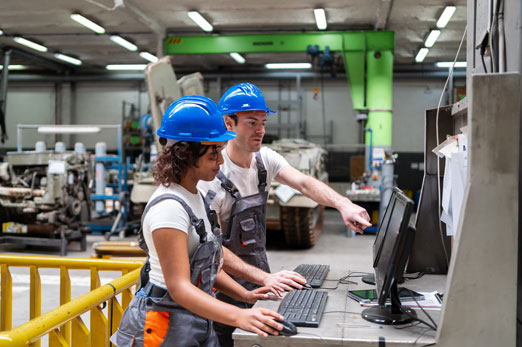
Transform physical spaces into connected environments with real-time geospatial awareness, using video, lidar, and IoT data to improve safety, efficiency, and operational control across campuses, cities, depots, and industrial sites.
-
Automated Inspection
Apply computer vision for quality inspection, safety monitoring, and regulatory compliance. -
Robotics And Drones
Deploy robots and drones for remote inspection across plants, assets, and infrastructure. -
Command Centers
Build safety towers and geospatial command centers for real-time situational awareness.
-
Edge Intelligence
Run edge AI to detect anomalies, optimize flows, and trigger automated responses. -
Data Monetization
Monetize video and IoT data through secure, scalable smart spaces platforms.
Turn Sustainability Into Measurable Operational Performance
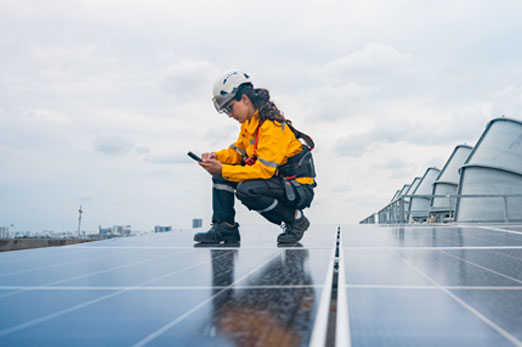
Embed sustainability into operations with data-driven programs that accelerate decarbonization, improve compliance, and drive measurable performance across energy, materials, and supply chains.
-
Data Foundation
Collect and normalize carbon, energy, water, and waste data across operations. -
Automated Reporting
Automate ESG tracking and reporting with integrated IoT and AI capabilities. -
Energy Optimization
Optimize energy usage and enable renewable and EV adoption with site and grid insights.
-
Lifecycle Traceability
Create digital product passports and enable lifecycle traceability across assets and supply chains. -
Circular Strategies
Design circular economy approaches for materials, maintenance, and end-of-life planning.
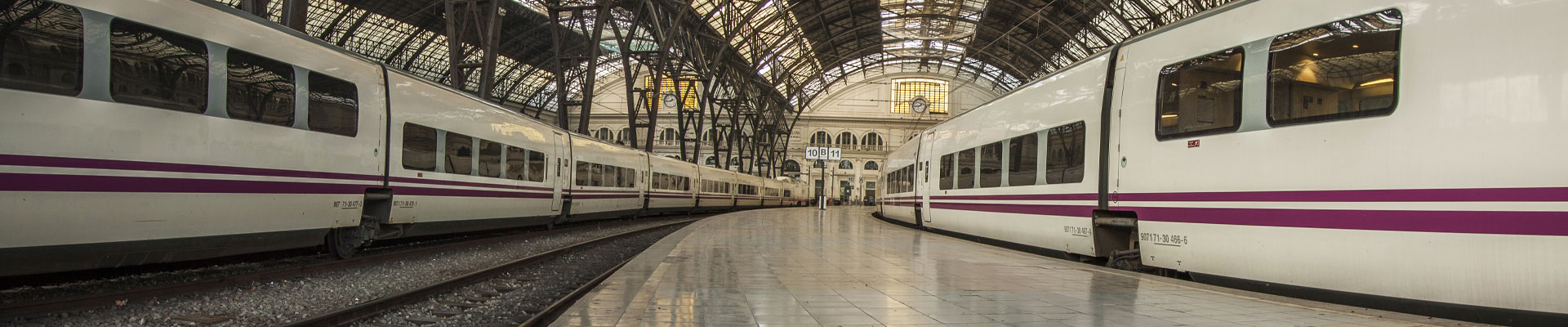
Smart Rail Fleet Reliability with HMAX Digital Asset Management
HMAX, installed on 2,000+ trains, optimizes railway operations through OTxITxAI integration.
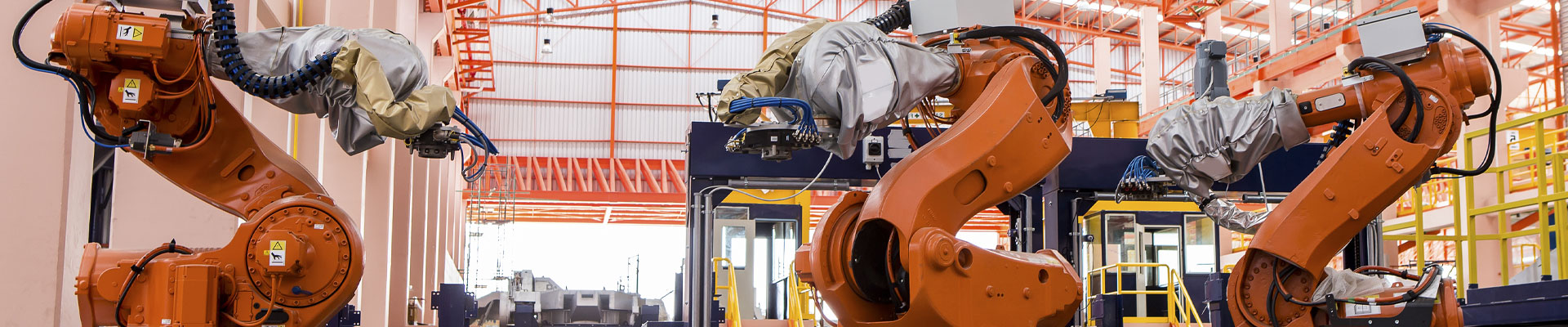
Most Advanced Digital Factory Initiative Automates
Computer vision and robotics for automated quality inspection and warehouse management.
Smart Spaces Deployments for Traffic, Parking, Crowd Management
Smart spaces turn video and IoT sensor data into intelligence, unlocking real-time awareness.

Digital PLM Transformation for a Global Automotive and Industrial Leader
Closed-loop engineering reduces recall risk and cuts design-to-manufacture cycle times.
Powering Western Dedicated Freight Corridor (WDFC) with Advanced Technologies
AI-powered asset management and maintenance drives safety, reliability, for India’s rail operations.

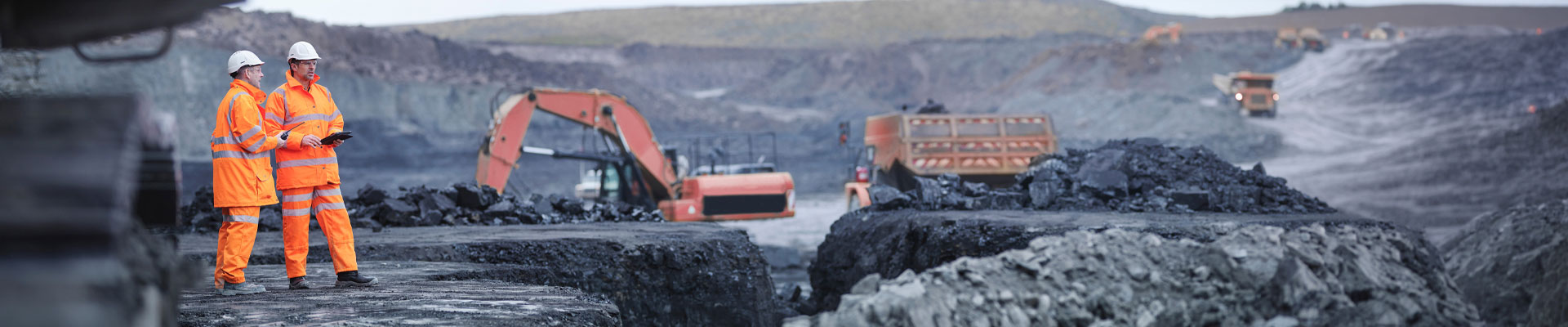
Advanced Analytics Drives Big Productivity Gains for Bengalla Mining Company
Insight from 12k+ data points across machinery, processes and systems optimizes operations.
Orthofix Transforms Product Innovation with Oracle PLM Cloud
Creating a unified, collaborative, and automated platform for PLM drives innovation

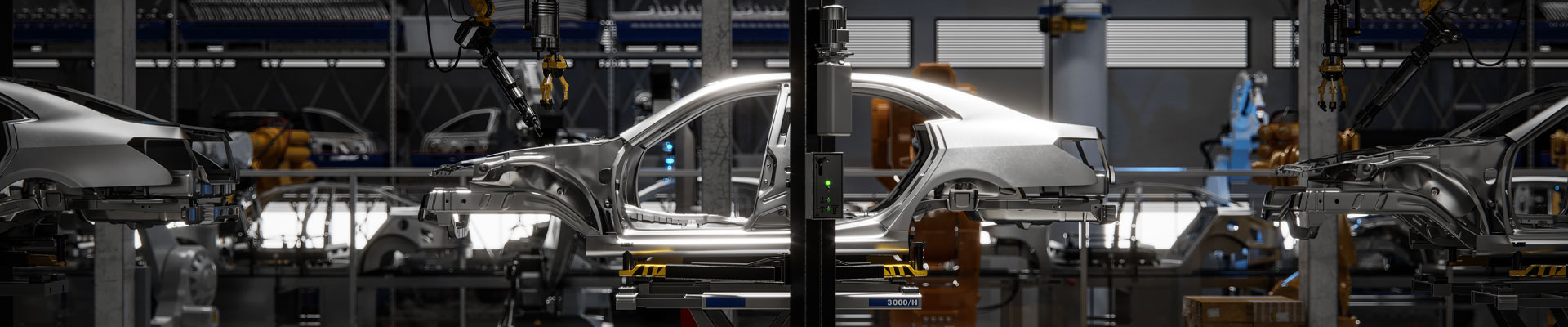
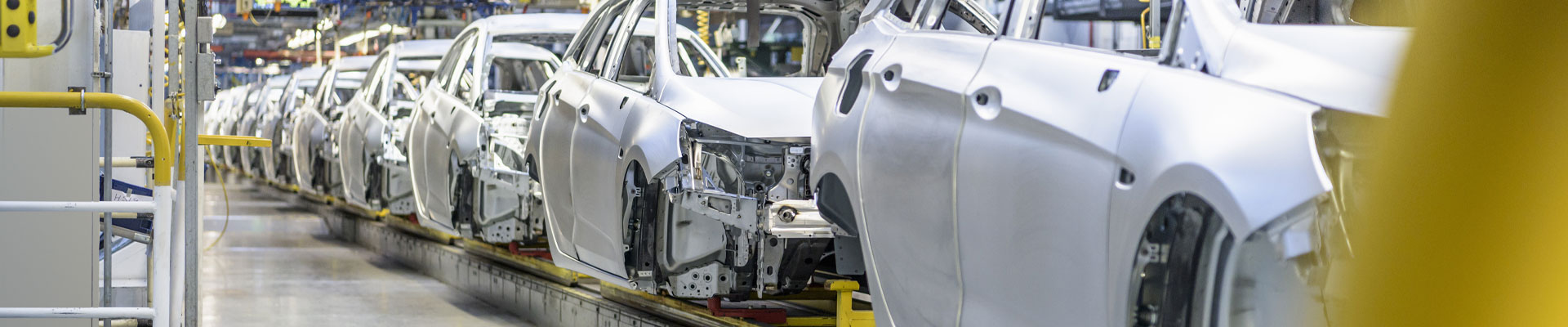
Unified Digital Product Value Chain for Automotive and Industrial Leader
Accelerating innovation, improving time to market by 40%, and enhancing quality by 35%.
Enhancing Citizen Services with Smart Spaces & Video Intelligence Technologies
Real-time governance and accountability for the State of Andhra Pradesh as it unites data across departments, schools, services.

Logan Aluminum Fast-Tracks Digital Transformation
Adding skills and technologies to support digital initiatives and unlock new data insights.
How We Work
How We Work
We co-engineer outcomes, helping you build, integrate, and run platforms that evolve with your business.

Integrated. Human-Centric. Proven.
We are a global systems integrator that unifies ET–IT–OT–AI to deliver mission-critical outcomes at scale.
- Recognized as a Market Leader in HFS Horizons: IoT Service Providers, 2024. Read the report
- Fully integrated ET-IT-OT-AI domain system integrator
- End-to-end portfolio across product, factory, asset, and space
- IT/OT convergence with engineered platforms
- Proven HMAX Digital Asset Management platform
- SRE-led operations for reliability







Partners
Strategic partnerships extend value from cloud to edge to simulation, ensuring secure scale and faster outcomes.







INSIGHTS
 Insights
 Insights
 Insights
Related Content


FAQ
In practice, Industry 5.0 shows up as smart factories, smart assets, and smart spaces where data flows across the entire value chain. Operators, engineers, and leaders share the same trusted information to improve safety, productivity, quality, and energy efficiency in real time.
Organizations can see end-to-end performance, trace quality issues faster, and link engineering changes to operational and financial impact. Practically, IT/OT convergence reduces unplanned downtime, improves OEE, shortens time-to-response, and strengthens cyber security across industrial networks – making it a foundational building block for Industry 5.0.
Digital twins are virtual, data-driven models of products, assets, or processes that stay in sync with real-world operations. Together, PLM, digital thread, and digital twins create a closed-loop product value chain that accelerates innovation, improves quality, strengthens compliance, and supports resilient, connected manufacturing and supply chains.
In manufacturing and operations, digital twins are used to visualize performance, simulate scenarios, predict failures, and optimize throughput, quality, and energy use. When connected to PLM, MES, EAM, and analytics, they enable “what if” testing, faster commissioning, and continuous improvement across the lifecycle.
This creates a single source of truth across engineering, operations, and business. You can then add digital twins, AI, analytics, and smart manufacturing use cases on top of existing investments, while secure IT/OT architectures protect critical infrastructure and simplify ongoing operations and support.
These benefits come from closing the loop between design, operations, and maintenance. Programs are most effective when run on secure, scalable platforms with continuous monitoring, optimization, and SRE-led operations baked into the model from day one.
Digital twins and analytics help optimize energy use, reduce scrap, and design more sustainable products and processes. Agentic AI tools like RITAONE can automate ESG data collection, narrative drafting, and benchmarking, improving speed and accuracy. The result is a more data-driven, credible ESG posture that supports decarbonization, compliance, and brand trust.