Accelerate
Engineering-to
-Production Execution
Product complexity is rising, while manufacturers are expected to improve speed, quality, and agility without compromising execution. By modernizing and connecting engineering, enterprise, and production systems, manufacturers can speed change adoption, reduce rework, and improve shopfloor performance at scale.
Hitachi Digital Services connects PLM, ERP, cloud, and MES/MOM to turn engineering intent into production-ready execution. Backed by our Digital PLM Playbook, Smart Manufacturing accelerators, and extensive experience in industrial environments, we help manufacturers reduce friction, improve readiness, and scale execution with confidence.
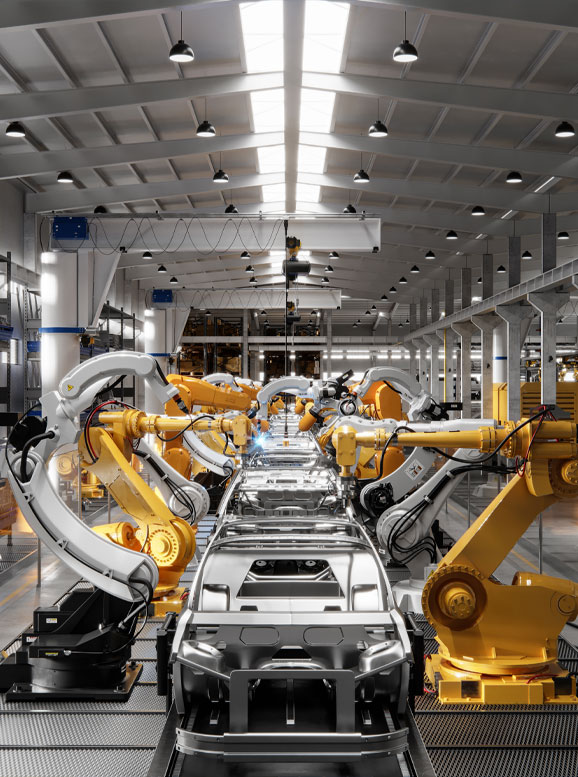
Modernize Without Disrupting Production
Manufacturers are upgrading PLM, production systems, and automation stacks while managing aging OT environments, fragmented operational data, and increasing product variability. Too often, engineering changes move too slowly into production or create instability once deployed. The opportunity is to modernize the engineering-to-production flow without sacrificing execution.
With better data continuity, stronger system alignment, and more responsive production environments, manufacturers can adopt change faster, maintain quality, and improve performance at scale.
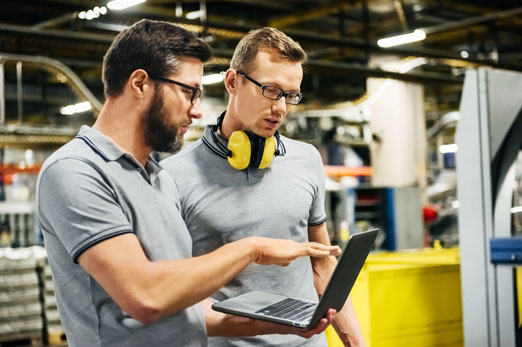
Connected Product and Process Definition
Modern PLM and Digital Thread foundations ensure engineering intent flows seamlessly into production, improving traceability, reducing rework, and accelerating time-to-production readiness.
-
Lifecycle Visibility
Connect product, process, and quality data across PLM, ERP, and MES to ensure traceability from design through execution -
Change Control
Improve engineering change management to reduce late-stage disruptions and support consistent adoption across production environments -
BOM Alignment
Align BOM, MBOM, and routing data across systems to eliminate gaps between engineering and manufacturing workflows
-
Compliance Readiness
Maintain structured digital records that support audit, regulatory compliance, and consistent lifecycle documentation -
Enterprise Integration
Integrate PLM with ERP and production systems to improve data consistency and synchronized execution -
Cloud Scalability
Enable scalable engineering environments through cloud-based PLM, data platforms, and collaboration tools
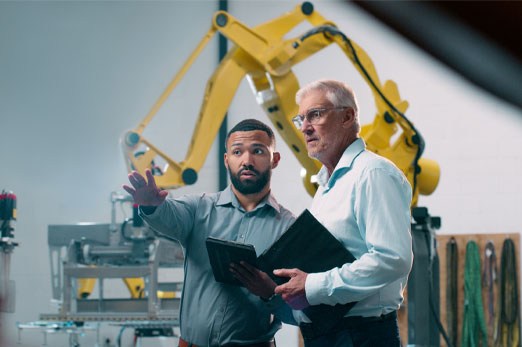
Production-Ready Engineering Systems
We connect engineering systems directly to production environments, reducing delays, improving readiness, and ensuring execution remains stable when new products or changes reach the factory.
-
Production Readiness
Reduce delays between design change and execution by aligning engineering outputs with production workflows and plant constraints -
MES Integration
Connect engineering systems with MES/MOM to ensure accurate execution of product definitions and process requirements -
Execution Stability
Improve consistency by ensuring production systems operate with validated and synchronized engineering data
-
Data Continuity
Maintain continuity between PLM, ERP, and MES to eliminate manual handoffs and reduce execution errors -
Change Adoption
Accelerate adoption of engineering changes across plants without disrupting throughput, yield, or quality performance -
Operational Alignment
Ensure engineering, enterprise, and production teams work from a consistent, real-time view of product and process data
Predictive Production Performance
Digital Twins enable manufacturers to simulate, predict, and optimize production outcomes – improving yield, reducing variability, and stabilizing performance before disruptions occur.
-
Predictive Insight
Forecast throughput, yield, and performance outcomes to proactively manage production variability -
Scenario Testing
Simulate process changes before implementation to reduce risk and improve decision confidence -
Yield Stability
Improve consistency by identifying process drivers and reducing variability across production lines
-
Root-Cause Clarity
Strengthen analysis by linking Digital Twin insights with MES and operational data -
Performance Optimization
Continuously refine production performance through model-driven insights and feedback loops -
Energy Efficiency
Optimize production processes to reduce energy consumption and improve sustainability outcomes
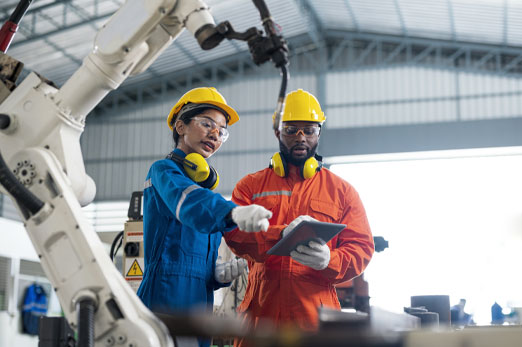
Throughput, Safety, And Consistency
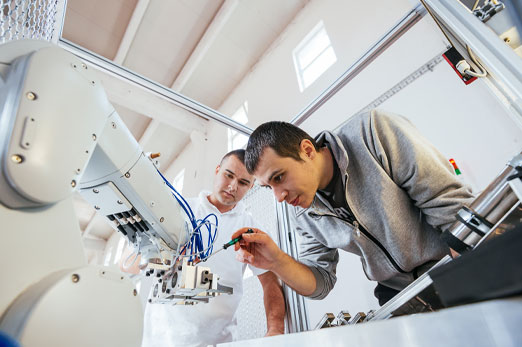
We align automation, robotics, and production optimization with engineering and operational data to improve throughput, reduce operator burden, and enhance safety.
-
Throughput Improvement
Increase production capacity and reduce cycle time through optimized automation and robotics deployment -
Operational Safety
Reduce manual exposure in high-risk or repetitive tasks, improving operator safety and working conditions -
Process Efficiency
Eliminate bottlenecks and reduce losses through production optimization aligned to line constraints
-
Execution Consistency
Improve repeatability and quality by standardizing automated workflows across production environments -
Scalable Deployment
Extend automation improvements across plants using repeatable architectures and integration models -
Data-Driven Control
Align automation systems with MES and operational data for better monitoring and continuous improvement
Additional Solutions
Orthofix Transforms Product Innovation with PLM Transformation
Unified product data, automated compliance workflows, and improved product release cycles.

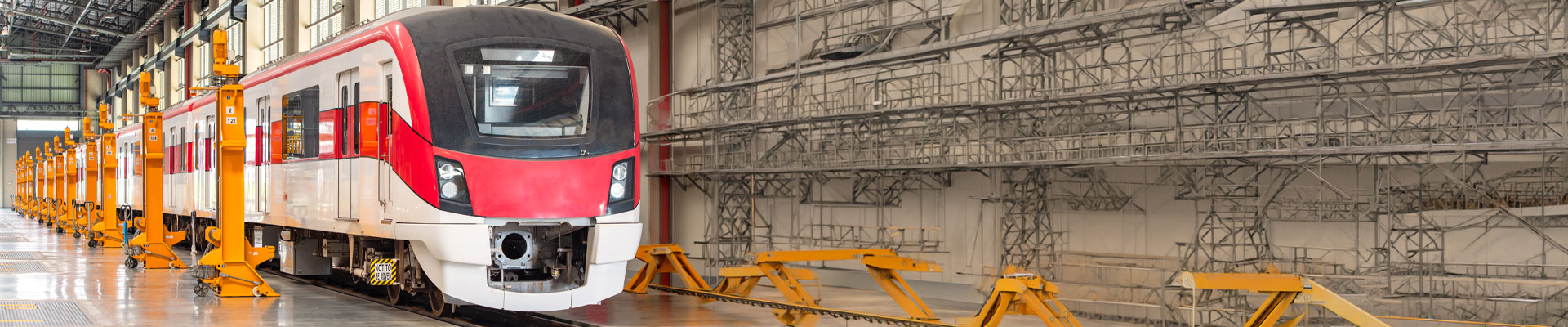
Rail Manufacturer – Autonomous Inspection
80–90% faster inspections and 15% higher quality performance using computer vision.
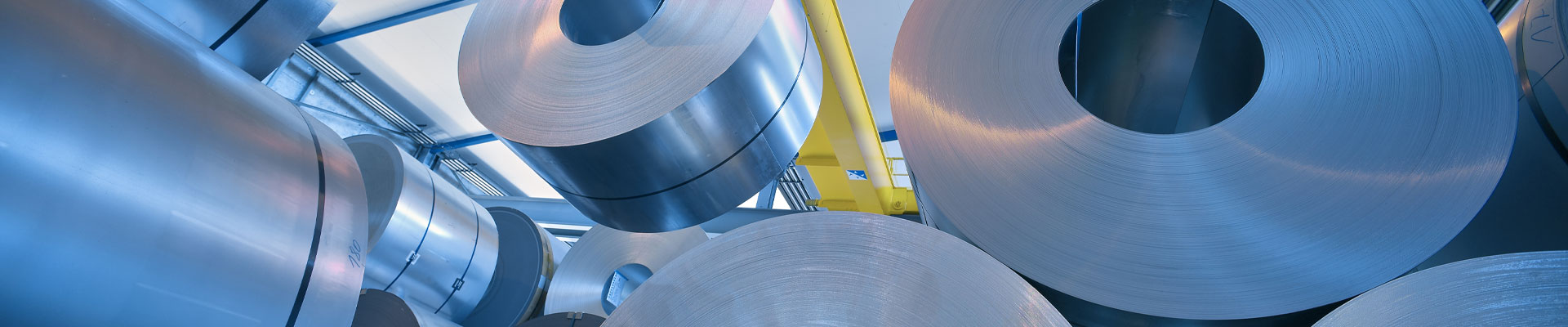
Logan Aluminum’s Data Platform Transformation
Digital transformation harnesses data to deliver better products to customers.
Digital Manufacturing for Off-road Division of Asian Tire Manufacturer
Digital Shop Floor solution to trace the movement of materials in real time.

How We Work
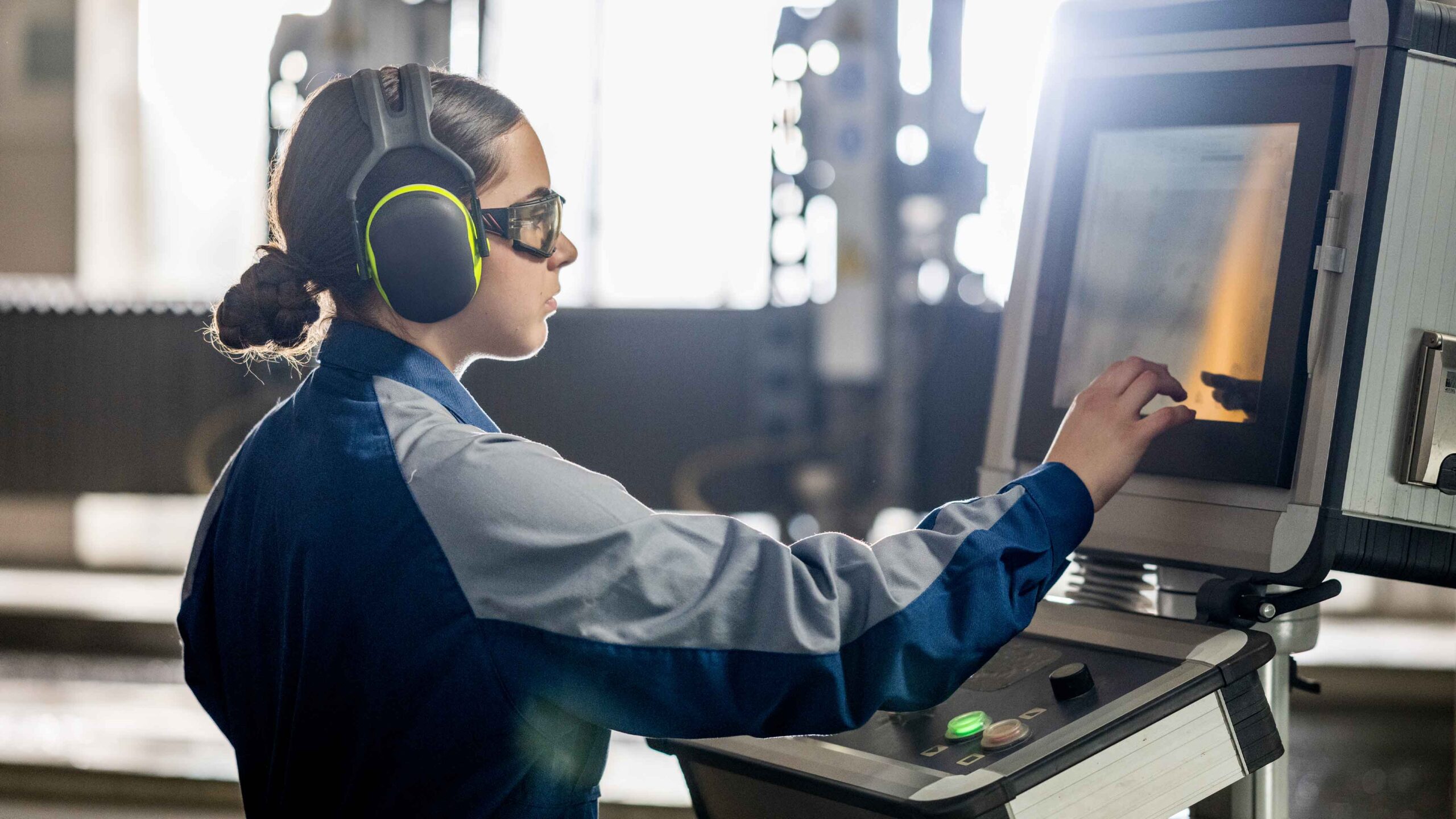
A Single Transformation Model for Engineering and Factory Operations
- Deep ET–IT–OT capabilities and operational factories
- Proven frameworks: Digital PLM Playbook, MES accelerators
- Industrial AI models tested in rail, energy, and manufacturing
- Strong global delivery and engineering depth
- Proven solutions: Lighthouse-grade innovation across 200+ Hitachi factories.
- Recognized by ISG as a Product Challenger in Manufacturing Services and Solutions Read the report







Partners






INSIGHTS
 Insights
 Insights
 Insights
Related Content