
Engineering
Confidence in Data
Enterprises don’t lack data – they lack confidence in it. Data underpins modern business, powering reporting, operations, compliance, and AI. But as platforms scale, complexity rises and trust breaks down. Broken pipelines, conflicting metrics, and manual reconciliation undermine confidence in dashboards, decisions, and AI outcomes.
Hitachi Digital Services addresses this with Data Reliability Engineering for AI, a closed-loop, AI-driven reliability system spanning design-time, runtime, and operations. We keep data accurate, consistent, and reliable in production, so analytics and AI deliver outcomes you can trust.

Data Reliability Is the Missing Discipline
Modern data environments are complex, distributed, and constantly changing. Teams still contend with conflicting KPIs, schema drift, broken or delayed pipelines, data consistency issues, performance bottlenecks, lack of visibility, and manual reconciliation that surfaces issues too late. Traditional monitoring shows whether a job ran, not whether the data is correct. And as AI moves into production, these weaknesses are amplified. The opportunity is to engineer reliability across the full data lifecycle, ensuring data is accurate, complete, consistent, and controlled across systems over time.
We deliver Data Reliability Engineering for AI as a closed-loop, AI-driven system spanning design-time definitions, runtime control, and continuous operational feedback to deliver immediate value as well as long-term operational maturity across the data lifecycle.
Expose Gaps, Define Reliability Targets
We assess data environments to identify where reliability breaks down and define the path to a controlled, measurable state. This establishes visibility into data health, operational risk, and readiness to support analytics and AI at scale.

-
Assess Data Health
Evaluate data quality, consistency, and completeness across pipelines, platforms, and domains to identify reliability gaps that impact reporting and AI outcomes. -
Benchmark Maturity
Measure current capabilities against reliability best practices, including observability, governance, and operational performance across environments. -
Map Critical Dependencies
Identify business-critical data flows and dependencies where failures create the greatest operational and financial impact.
-
Define Target State
Establish reliability KPIs, SLAs, and architectural priorities aligned to business outcomes and AI readiness. -
Prioritize Actions
Create a phased roadmap to address risks, improve trust, and accelerate time to reliable data operations.
Engineer Reliability into Foundations
We design data platforms with reliability built in from the start – defining how data should behave across systems, pipelines, and environments before issues occur in production.

-
Define Data Models
Establish schemas, constraints, and semantic definitions to support automated validation and drift detection. -
Design Pipeline SLAs
Set performance, latency, and dependency expectations that become benchmarks for runtime reliability. -
Embed Observability
Integrate monitoring frameworks to detect anomalies early and provide continuous visibility into system behavior.
-
Integrate DataOps Practices
Enable real-time validation, testing, and monitoring across data pipelines to improve accuracy and control. -
Align Cost and Performance
Incorporate FinOps principles to balance performance, scalability, and cost efficiency across environments.
Monitor, Detect, and Prevent Failures
We move from passive monitoring to active reliability control, using AI-driven observability to detect and address issues before they impact business outcomes.

-
Track Pipeline Execution
Monitor job performance, dependencies, and execution timing across complex, distributed environments. -
Detect Data Drift
Identify schema, data, and volume drift as soon as behavior deviates from defined expectations. -
Enable Predictive Alerts
Use machine learning models to anticipate failures and surface risks before disruption occurs.
-
Validate Data Continuously
Ensure data remains accurate, complete, and consistent throughout ingestion, transformation, and consumption. -
Maintain Performance Visibility
Provide real-time insight into latency, throughput, and bottlenecks affecting analytics and AI systems.
Resolve Issues Before They Scale
We replace manual troubleshooting with automated resolution, reducing operational effort and improving system resilience across the data lifecycle.

-
Automate Root Cause Analysis
Identify the source of failures quickly using AI-driven diagnostics and dependency mapping. -
Trigger Automated Fixes
Execute predefined or adaptive remediation actions to resolve issues without manual intervention. -
Reduce Recovery Time
Minimize mean time to resolution (MTTR) through continuous monitoring and rapid response mechanisms.
-
Prevent Repeat Failures
Apply policy-driven controls and learning systems to eliminate recurring issues across pipelines. -
Improve Operational Efficiency
Reduce manual reconciliation and firefighting, freeing teams to focus on higher-value work.
Create a Self-Improving Data System
We close the loop between design and operations, using feedback, AI, and operational intelligence to continuously improve reliability over time.

-
Enable Feedback Loops
Feed runtime insights and incident learnings back into design-time models and pipeline definitions. -
Deploy AI Copilots
Use AI assistants to explain issues, recommend actions, and support operational teams in real time. -
Measure Reliability KPIs
Track performance, data quality, drift, and operational metrics to continuously improve outcomes.
-
Optimize Over Time
Refine pipelines, models, and architectures based on real usage and evolving business needs. -
Scale with Confidence
Ensure systems improve as data volumes, complexity, and AI adoption increase.
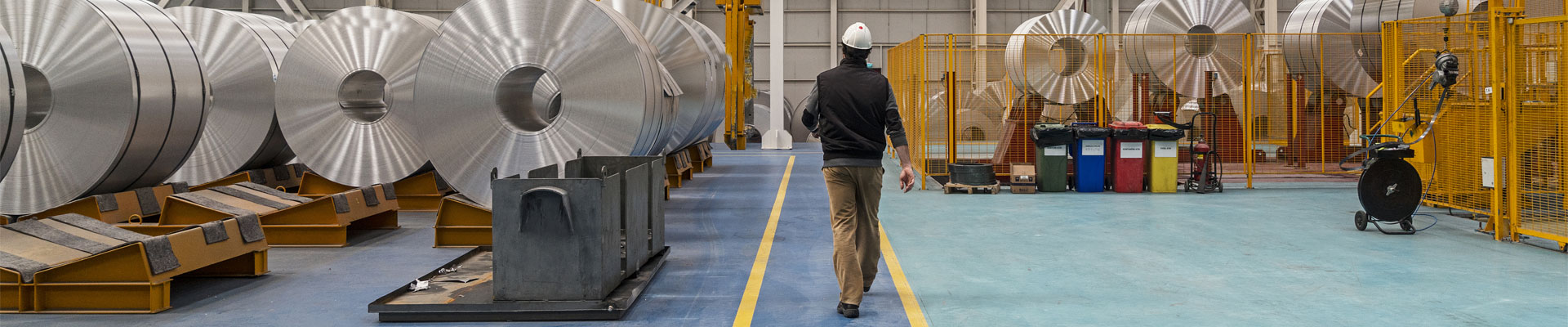
Logan Aluminum: Reliable IT/OT data for operational performance
Unifying IT and OT data improves safety, optimizes production performance, and strengthens advantage for Logan Aluminum.
Raiffeisen bank: Banking in the cloud
Improving client experience with industry leading innovation using cloud.

Salford Royal: Data and Insight Drives Better Patient Care
Digital Control Centre improves care coordination and expands clinical capacity.

How We Work
From Design to Run – Reliability Built In
We deliver Data Reliability Engineering as a design-to-run operating model, combining advisory, engineering, and managed services to embed reliability across the full data lifecycle.

A System, Not a Toolset
- Closed-loop, AI-driven reliability system across design, runtime, and operations
- Reliability engineered into architecture
- Continuous validation and automated remediation at scale
- Integrated DataOps, FinOps, and SRE practices
- Platform-agnostic across hybrid and multicloud environments
- Backed by HARC for continuous operations and optimization





Ecosystem-Driven Reliability
We work across leading data and cloud platforms to deliver reliability at scale:






INSIGHTS
 Insights
 Insights
 Insights